A case study by Axel Brodermann, Owner, E Windowtastic (Denver, CO)
Download Fire ResilienceDisclaimer: We’re not fire scientists, and this isn’t a controlled scientific study. It’s a descriptive, common-sense account of one live burn test — an opinion piece meant to start a conversation, not settle one.
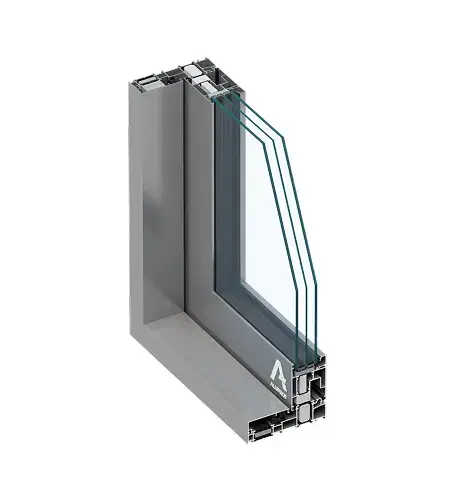
E Windowtastic partnered with a local fire training facility to put a Viking DK22 with triple-pane, fully tempered glass through a live burn test. Firefighters also introduced a fixed vinyl comparison window with double-pane annealed glass.
The two windows were not identical, so this was never intended as a controlled scientific comparison. Instead, the test gave us a real-world reference point for looking more closely at how the complete window and glass specification behaved under fire.
See what happened in the live burn test below.
That’s how long it took for the first pane of annealed glass to break.
We recently partnered with a local fire training facility to test one of our windows — the Viking DK22, a tilt-and-turn, wood-and-aluminum-clad unit with triple-pane, fully tempered glass — in a live fire. The firefighters running the test added a second window of their own: a fixed, doublepane, annealed vinyl unit from a competitor. It wasn’t a fair fight, but it gave us a useful reference point
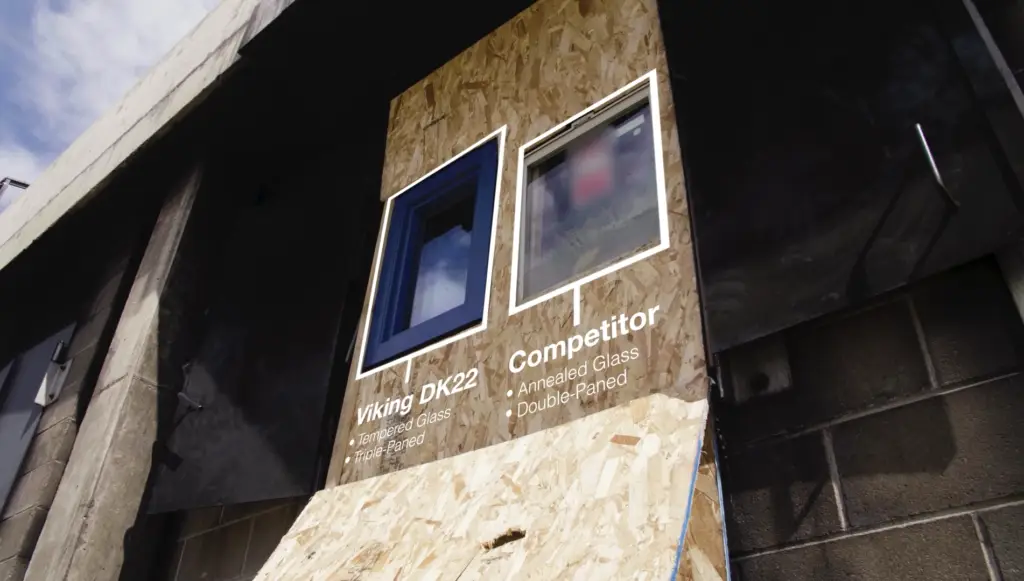
Important context: The windows differed in more than glazing alone, including their frame construction, seals, installation, and other assembly characteristics. The test is best understood as a real-world reference point rather than a controlled comparison of glass type alone.
The differences became clearer as the test progressed.
The important point is not that these times will repeat in every fire. They are simply what was observed. Within that test, the annealed panes failed earlier than the tempered panes.
We expected the difference in the glass to be noticeable. What caught us off guard was the radiant heat. Partway through the test, a firefighter entered the structure with a thermal imaging camera.
The fire lieutenant on site explained that radiant heat can be an important consideration even before flames or hot gases penetrate an opening. For us, the observation reinforced a broader point: window performance cannot always be understood by looking at the frame, brand, or appearance alone. The glass specification matters too.
Not sure which window, door, or glass specification is right for your project? E Windowtastic can help you review the options based on your goals, performance needs, and project requirements.
Get a Free Quote →Glass specification affects more than how a window looks. Pane configuration, glass type, and tempering all play a role in efficiency, strength, and safety which is why glazing deserves the same consideration as the frame and window system around it.
Pane configuration and glazing selection are important parts of the window's overall thermal-performance strategy.
Glass type and configuration are part of how the complete window assembly responds to physical and thermal stress.
Tempering and the complete glass specification deserve consideration alongside the frame, system, and wider project requirements.
The frame is only part of the specification. The glass should also be selected around the project’s performance goals, orientation, climate, elevation, safety requirements, and how each opening will be used.
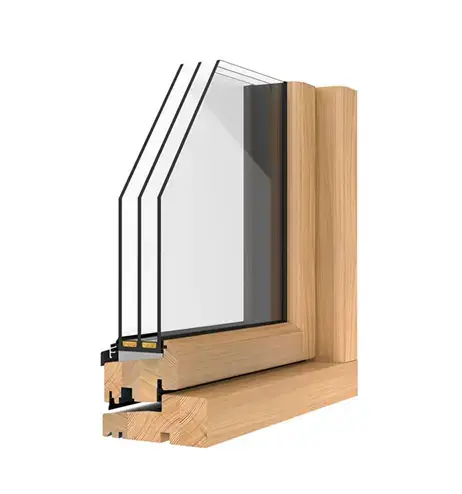
Triple-pane glazing is used for most projects, with double-pane considered only in limited situations.
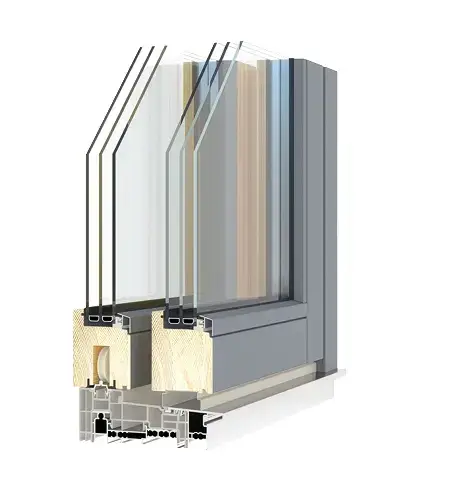
E Windowtastic specifies tempered glass across all panes as part of its glazing approach.
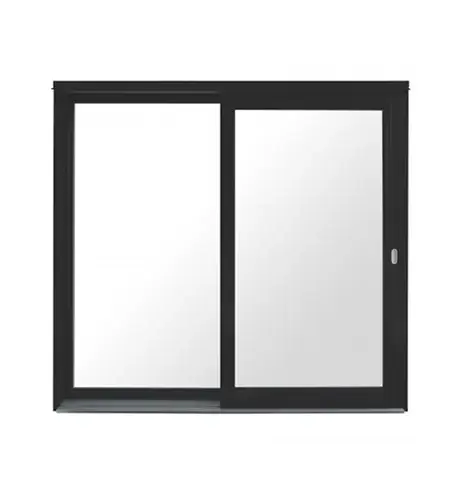
For higher-elevation projects, insulated glass is specified with altitude conditions in mind.
Solar heat gain is considered alongside orientation, the energy modeler, and the project’s performance goals.
Whether you’re planning a high-performance home, Passive House build, remodel, ADU, or design-led project, E Windowtastic can help you review the window, door, and glass options that fit your project goals.
Start Your Project →